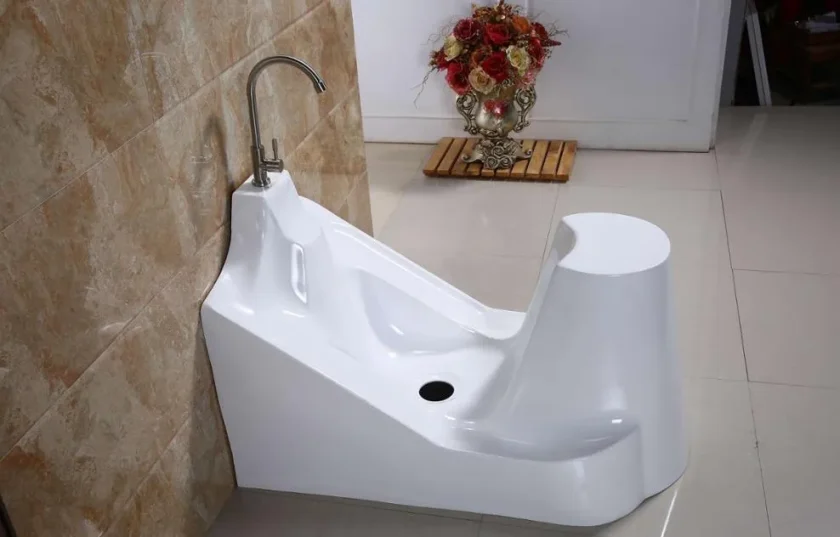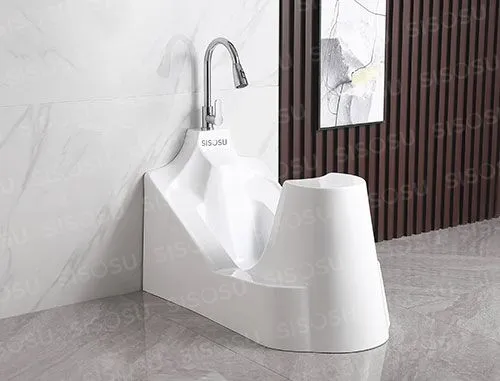
Modern ablution facilities in mosques, airports, schools, and commercial buildings rely heavily on durability, hygiene, and ease of maintenance. A Wudu Wash Basin must perform consistently under frequent daily use while remaining clean, safe, and visually appealing.
For facility managers and exporters, maintenance is a key factor that directly impacts product lifespan, user satisfaction, and long-term cost efficiency. A properly maintained Wudu Sink from KingKonree Solid Surface can retain its quality and appearance for years, even in high-traffic environments.
Table of Contents
ToggleWhy Maintenance Matters for Solid Surface Wudu Sinks
Although solid surface materials are known for their durability and hygienic properties, regular maintenance ensures optimal performance. Ablution areas experience continuous water exposure, making upkeep essential.
Proper maintenance helps:
- Preserve surface quality and appearance
- Maintain hygiene standards in shared spaces
- Prevent long-term staining or damage
- Extend product lifespan
- Reduce repair and replacement costs
For large facilities, consistent maintenance also improves operational efficiency.
Daily Cleaning Practices
Routine cleaning is the foundation of maintaining solid surface Wudu sinks. Simple daily care prevents buildup and keeps the surface in good condition.
Recommended practices include:
- Wiping surfaces with a soft cloth after use
- Removing water spots and soap residue
- Keeping drainage areas clear
- Drying surrounding surfaces to avoid water pooling
Using mild cleaning solutions helps protect the surface finish.
Weekly Deep Cleaning Routine
In addition to daily care, weekly cleaning ensures deeper hygiene control, especially in high-traffic environments.
This includes:
- Thorough cleaning of basin surfaces
- Disinfecting high-contact areas
- Checking for hidden dirt in corners
- Cleaning tap fixtures and outlets
Regular deep cleaning helps maintain a safe and sanitary ablution environment.
Avoiding Harsh Chemicals and Abrasive Tools
One of the most important maintenance rules for solid surface materials is avoiding harsh cleaning agents.
Avoid:
- Strong acidic or alkaline cleaners
- Abrasive scrub pads or steel wool
- Bleach-based overuse solutions
- Rough cleaning tools that scratch surfaces
Instead, use mild soap solutions and soft cleaning cloths to preserve the finish.
Preventing Water Stains and Build-Up
Although solid surface materials are non-porous, improper cleaning habits can still lead to visible water marks over time.
To prevent this:
- Wipe down wet areas after peak usage
- Ensure proper ventilation in ablution spaces
- Clean soap residue regularly
- Maintain efficient drainage flow
These small practices help maintain a clean appearance.
Drainage System Maintenance
A properly functioning drainage system is essential for overall performance and hygiene.
Maintenance tips include:
- Regularly checking for blockages
- Cleaning drain covers and filters
- Ensuring smooth water flow
- Removing debris buildup promptly
Good drainage prevents standing water and improves safety.
Tap and Fixture Care
Water control components are used frequently and require regular inspection.
Best practices include:
- Checking for leaks or drips
- Ensuring smooth water flow
- Cleaning aerators and nozzles
- Tightening loose fittings when needed
Proper fixture care helps reduce water waste and operational issues.
Long-Term Care for Surface Durability
Solid surface materials are designed for long-term use, but consistent care ensures they maintain their quality.
Long-term maintenance includes:
- Periodic polishing if required
- Minor surface repair for scratches
- Regular inspection of structural integrity
- Preventive maintenance scheduling
This helps extend the lifespan of the installation significantly.
Importance for Large-Scale Facilities
In mosques, airports, and commercial buildings, maintenance becomes even more important due to high usage levels.
Well-maintained systems provide:
- Better user experience during peak hours
- Reduced downtime for repairs
- Improved hygiene in public spaces
- Lower operational costs over time
Facility managers benefit from predictable and efficient maintenance routines.
Export and Commercial Value of Low-Maintenance Design
For exporters, maintenance-friendly products offer strong competitive advantages in global markets. Buyers prefer solutions that reduce long-term service costs.
Key export benefits include:
- Higher demand in large infrastructure projects
- Strong appeal to facility planners and contractors
- Easier product approval in procurement processes
- Increased customer satisfaction and repeat business
Highlighting maintenance simplicity can significantly improve marketing performance.
Conclusion
Proper maintenance is essential for ensuring the long-term performance of a Wudu Sink from KingKonree Solid Surface. With regular cleaning, careful handling, and routine inspections, these systems can maintain hygiene, durability, and visual quality for years.
For manufacturers and exporters, emphasizing easy maintenance adds strong value in international markets. As demand for efficient and reliable ablution solutions continues to grow, maintenance-friendly solid surface sinks remain a preferred choice for modern infrastructure projects worldwide.